
Preventing Common Sports Injuries
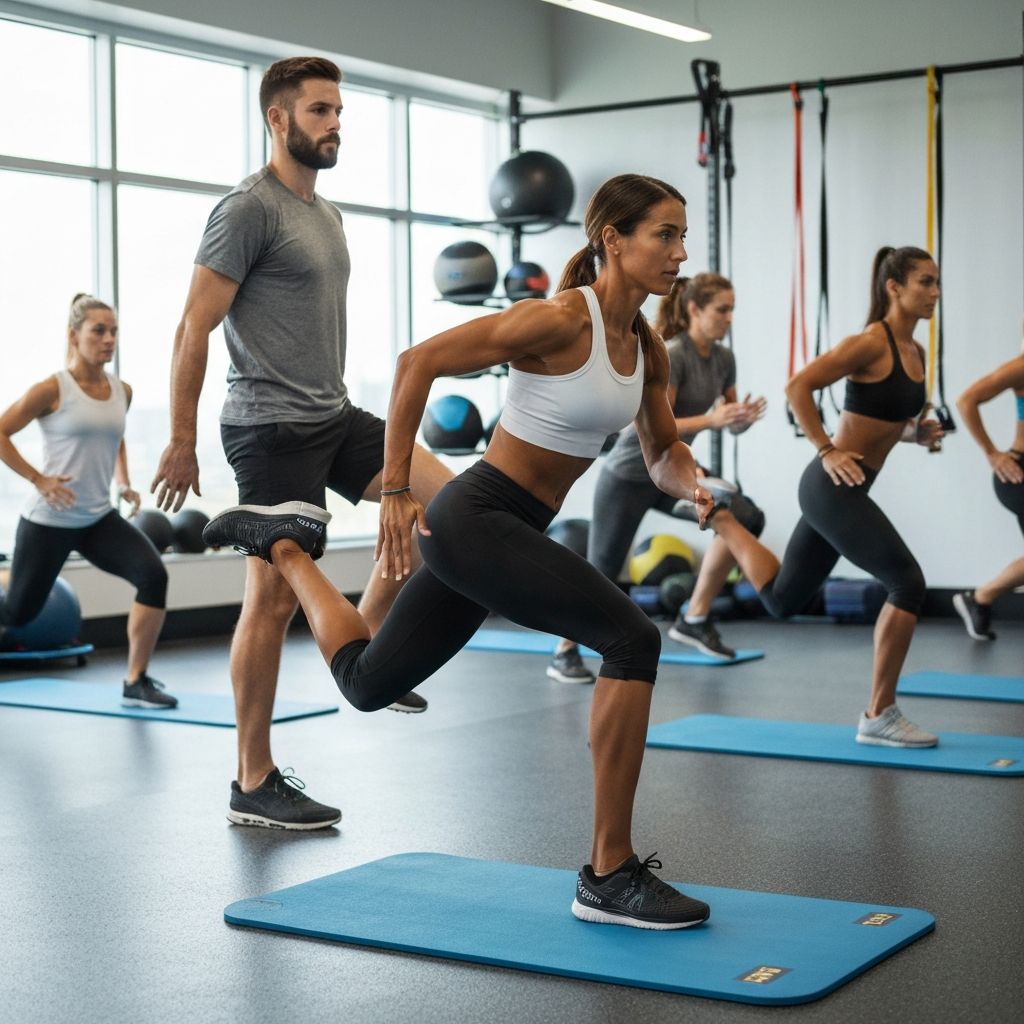
Preventing Common Sports Injuries
Sports injuries can sideline even the most dedicated athletes. However, many injuries can be prevented through proper training, conditioning, and technique. This guide covers prevention strategies for the most common sports-related injuries.
Understanding Sports Injuries
Sports injuries occur when the body is subjected to forces that exceed its capacity to handle them. Prevention focuses on building strength, flexibility, and proper movement patterns.
Most Common Sports Injuries
1. Ankle Sprains
Prevention Strategies:
- Strengthen ankle muscles with balance exercises
- Wear appropriate footwear
- Use ankle braces for high-risk sports
- Warm up thoroughly before activities
- Improve proprioception with balance drills
2. Knee Injuries
Prevention Strategies:
- Maintain strong quadriceps and hamstrings
- Use proper landing techniques
- Avoid sudden changes in training intensity
- Wear knee braces if needed
- Cross-train to avoid overuse
3. Shoulder Injuries
Prevention Strategies:
- Build rotator cuff strength
- Improve shoulder flexibility
- Use proper throwing mechanics
- Avoid overhead activities when fatigued
- Incorporate scapular stabilization exercises
4. Lower Back Injuries
Prevention Strategies:
- Strengthen core muscles
- Maintain proper posture
- Use correct lifting techniques
- Stretch hamstrings and hip flexors regularly
- Avoid excessive spinal rotation movements
Comprehensive Prevention Program
1. Warm-Up (5-10 minutes)
- Light cardiovascular activity
- Dynamic stretching
- Sport-specific movements
- Gradually increasing intensity
2. Conditioning (3-4 times per week)
- Cardiovascular fitness
- Strength training
- Flexibility work
- Balance and proprioception training
3. Technique Training
- Proper movement patterns
- Sport-specific skills
- Coaching feedback
- Video analysis if available
4. Cool-Down (5-10 minutes)
- Gradual reduction in activity
- Static stretching
- Recovery techniques
Key Prevention Principles
Progressive Overload: Gradually increase training intensity and volume over time. The "10% rule" suggests not increasing training volume by more than 10% per week.
Cross-Training: Vary your activities to prevent overuse injuries and maintain overall fitness.
Adequate Recovery: Allow sufficient rest between training sessions. Sleep, nutrition, and hydration are critical.
Proper Equipment: Use appropriate footwear and protective gear for your sport.
Flexibility and Mobility: Regular stretching and mobility work prevent muscle tightness and imbalances.
Age-Specific Considerations
Young Athletes (Under 18)
- Focus on fundamental movement skills
- Avoid early specialization
- Limit high-intensity training
- Ensure adequate recovery between competitions
Adults (18-40)
- Maintain consistent training
- Focus on injury prevention exercises
- Use proper form for all movements
- Monitor for overtraining
Older Athletes (40+)
- Include more flexibility work
- Increase recovery time
- Focus on functional movements
- Consider joint-protective strategies
Nutrition for Injury Prevention
- Protein: Support muscle repair and strength
- Calcium and Vitamin D: Bone health
- Antioxidants: Reduce inflammation
- Hydration: Essential for joint health and muscle function
When to Seek Help
Contact your orthopedic specialist if you experience:
- Pain that persists for more than a few days
- Swelling or instability
- Limited range of motion
- Recurring injury patterns
Conclusion
Injury prevention is an investment in your long-term athletic success. By following these guidelines and working with qualified coaches and healthcare providers, you can reduce your injury risk and enjoy your sport for years to come.
About the Author
Dr. Amrit Panthi is an experienced Orthopedic Surgeon specializing in trauma care, joint surgery, and sports medicine at Lumbini Provincial Hospital, Butwal.