
Total Joint Replacement: What You Need to Know
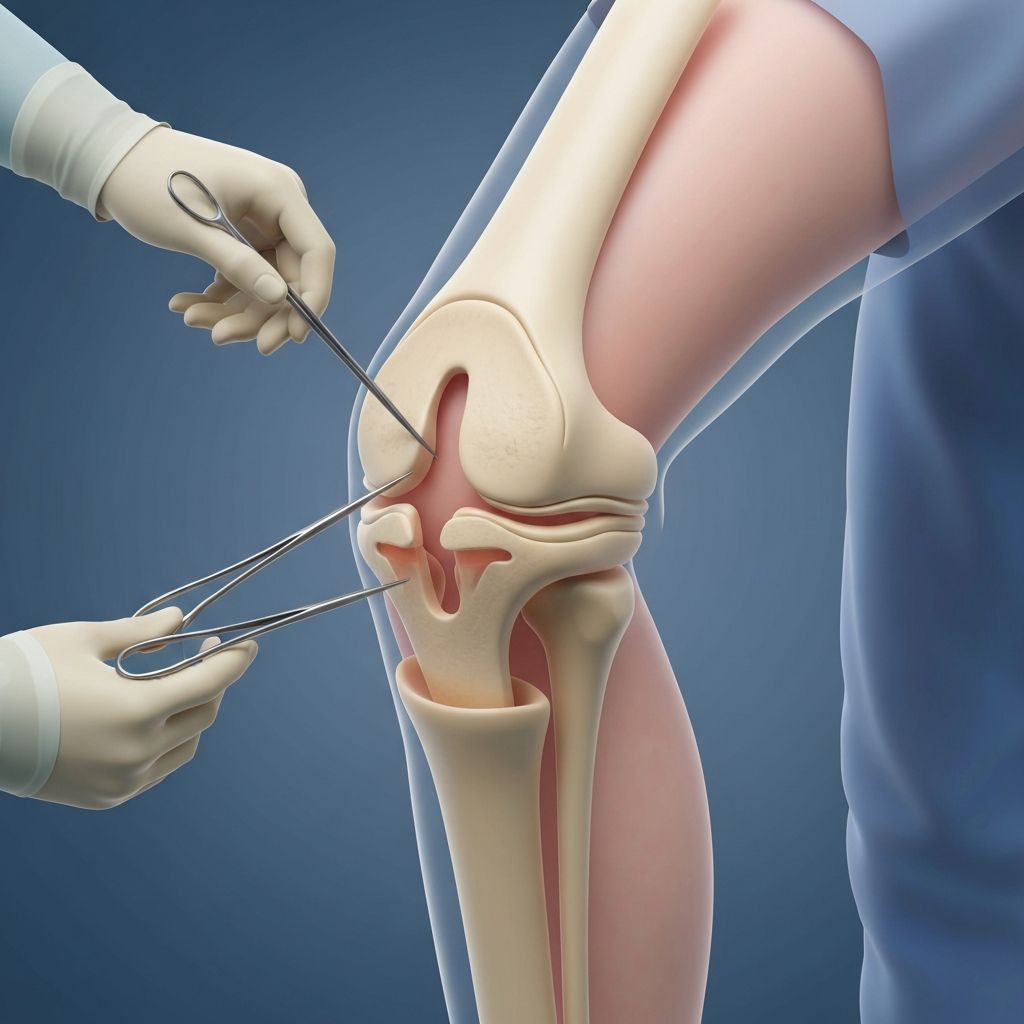
Total Joint Replacement: What You Need to Know
Joint replacement surgery is one of the most successful orthopedic procedures, offering pain relief and improved function for patients with severe joint arthritis. Whether it's a knee, hip, or shoulder replacement, understanding the process helps ensure better outcomes.
Who Needs Joint Replacement?
Joint replacement is typically recommended when:
- Conservative treatments (medication, therapy) have failed
- Arthritis significantly limits daily activities
- Chronic joint pain affects quality of life
- Joint damage is severe and progressive
- You're physically and mentally prepared for surgery and recovery
Types of Joint Replacement
Knee Replacement (Most Common)
- Unicondylar (partial knee replacement)
- Total knee replacement
- Revision knee replacement
Hip Replacement
- Total hip replacement
- Partial hip replacement (hemiarthroplasty)
- Hip resurfacing
Other Joints
- Shoulder replacement
- Ankle replacement
- Wrist replacement
Pre-Surgery Evaluation
Your surgeon will conduct:
- Medical History: Previous surgeries, medications, conditions
- Physical Examination: Range of motion, strength, swelling
- Imaging Studies: X-rays, MRI, CT scans
- Blood Tests: To ensure you're healthy for surgery
- Cardiac Clearance: If necessary, to confirm heart health
- Pre-Surgery Classes: Education about the procedure and recovery
The Surgery
Procedure Overview
- Anesthesia administration
- Surgical approach (arthroscopic or open)
- Removal of damaged joint surfaces
- Implant placement and fixation
- Wound closure
- Recovery in post-op area
Duration: 1-3 hours depending on the joint and complexity
Hospital Stay
- Total Knee Replacement: 1-2 days
- Total Hip Replacement: 1-3 days
- Shoulder Replacement: 1-2 days
Early mobilization is key to preventing complications.
Recovery Timeline
Week 1-2
- Pain management
- Swelling control with ice and elevation
- Basic physical therapy
- Assistive devices (crutches, walker)
Week 3-6
- Increased range of motion exercises
- Strengthening begins
- Gradual increase in activities
- Pain continues to decrease
Month 2-3
- More advanced physical therapy
- Return to light activities
- Improved mobility and function
- Continued strengthening
Month 4-6
- Return to most daily activities
- Driving (with doctor's approval)
- Walking without assistive devices
- Return to recreational activities
Month 6-12
- Full recovery for most
- Return to sports and leisure activities
- Maximum benefit of surgery realized
Physical Therapy
Physical therapy is essential for successful recovery. Expect:
- 2-3 sessions per week for the first 6 weeks
- Continuation at home with prescribed exercises
- Gradual progression of activities
- Regular assessments of progress
Activity Restrictions
Avoid for life:
- High-impact running or jumping
- Competitive sports with sudden movements
- Heavy lifting (>50 lbs regularly)
You can enjoy:
- Walking and hiking
- Swimming and water aerobics
- Cycling
- Golf
- Low-impact exercise classes
Potential Complications
While rare (1-3%), complications can include:
- Infection
- Blood clots
- Dislocation (hip)
- Implant loosening
- Limited range of motion
- Persistent pain
Early reporting of unusual symptoms helps prevent serious complications.
Living with Your New Joint
Longevity
- Modern implants last 15-25+ years
- Younger patients may need revision surgery
- Activity level affects implant longevity
Lifestyle Adaptations
- Use ice packs after strenuous activity
- Maintain healthy weight
- Continue exercising regularly
- Attend all follow-up appointments
- Inform all healthcare providers about your implant
Pain and Swelling Management
- Ice for acute swelling
- Elevation to reduce fluid retention
- Anti-inflammatory medications as needed
- Physical activity as tolerated
Signs to Contact Your Surgeon
- Increased pain unrelieved by medication
- Fever or chills
- Increased swelling, warmth, or redness
- Drainage from the incision
- Separation of incision
- Sudden loss of motion
- Feeling of instability
Success Rates
Joint replacement has success rates of 90-95%, with most patients experiencing:
- Significant pain relief
- Improved function and mobility
- Better quality of life
- Return to desired activities
Conclusion
Total joint replacement can be life-changing when performed for the right indications. With proper preparation, surgery, and rehabilitation, most patients enjoy many years of improved function and quality of life with their new joint.
About the Author
Dr. Amrit Panthi is an experienced Orthopedic Surgeon specializing in trauma care, joint surgery, and sports medicine at Lumbini Provincial Hospital, Butwal.