ACL Reconstruction: Complete Recovery Guide
ACL Reconstruction: Complete Recovery Guide
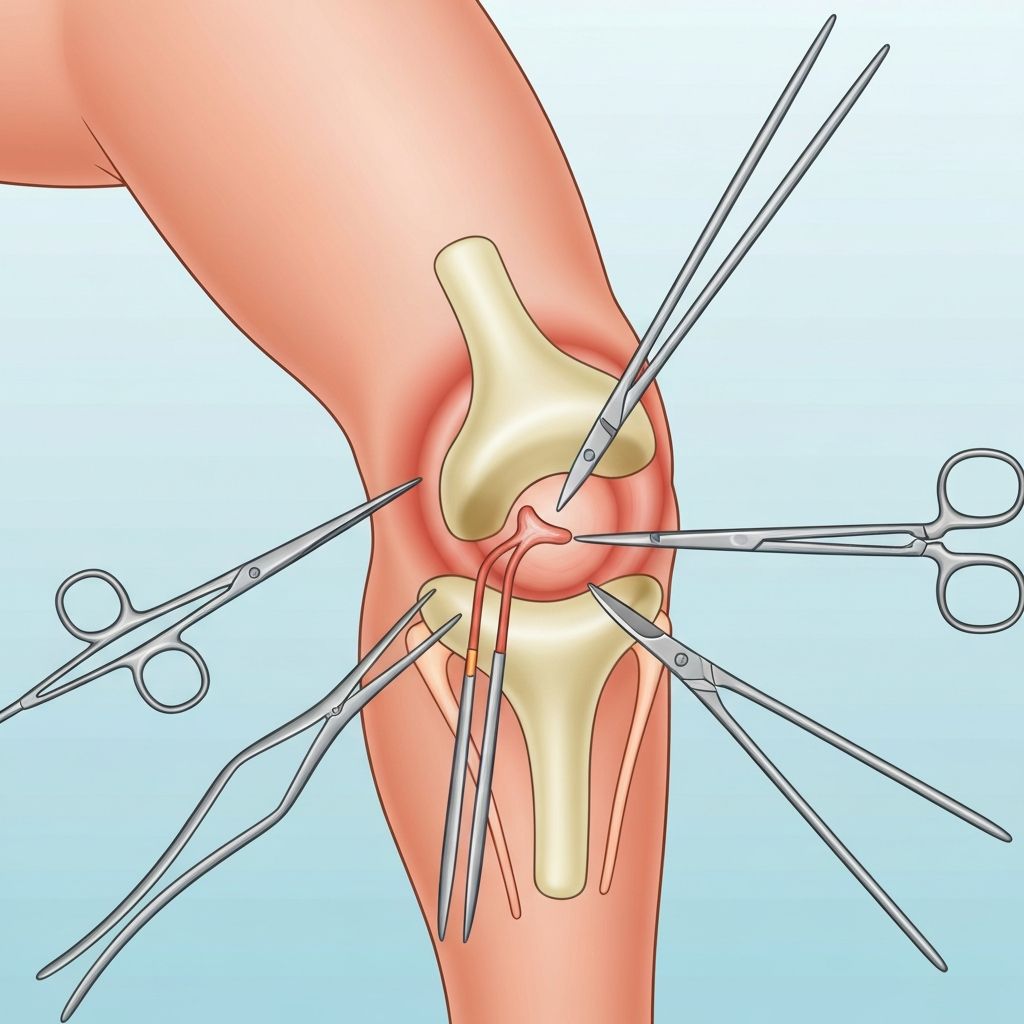
The Anterior Cruciate Ligament (ACL) is one of the most important ligaments in the knee, providing stability during movement. ACL injuries are common in athletes and active individuals, and reconstruction surgery is often the best treatment option.
What is ACL Reconstruction?
ACL reconstruction is a surgical procedure to replace a torn ACL with a tissue graft. The graft can come from your own tissues (autograft) or from a donor (allograft).
Types of Grafts
- Patellar Tendon Autograft: Tissue from your own patellar tendon
- Hamstring Autograft: Tissue from your hamstring muscles
- Quad Tendon Autograft: Tissue from your quadriceps muscle
- Allograft: Tissue from a cadaver donor
Pre-Surgery Preparation
Before your ACL reconstruction, your surgeon will:
- Perform a thorough physical examination
- Order imaging tests (MRI, X-rays)
- Discuss medical history and current medications
- Prepare you mentally and physically for surgery
The Recovery Process
Week 1-2: Immediate Post-Surgery
- Rest and elevation to reduce swelling
- Pain management with medications
- Basic physical therapy exercises
- Crutches and knee brace for support
Week 3-6: Early Phase
- Gradual increase in range of motion
- Strengthening exercises begin
- Return to light activities
- Continue with physical therapy 3-4 times per week
Week 7-12: Intermediate Phase
- More advanced strengthening
- Balance and proprioception training
- Gradual return to walking
- Continue rehabilitation exercises at home
Month 4-6: Advanced Strengthening
- Sport-specific training begins
- Running and agility drills
- Return to recreational activities
- Full physical therapy clearance
Expected Timeline
- 4-6 weeks: Basic activities
- 3 months: Light activities and walking
- 6 months: Return to sports (with clearance)
- 9-12 months: Full recovery
Tips for Successful Recovery
- Follow physical therapy: Consistency is key
- Use the knee brace: Provides support during recovery
- Ice and elevate: Reduce swelling regularly
- Avoid high-impact activities: Until cleared by surgeon
- Maintain open communication: With your medical team
When to Contact Your Surgeon
Seek immediate attention if you experience:
- Severe pain not controlled by medication
- Increased swelling or warmth
- Signs of infection (fever, redness)
- Feeling of instability
- Sudden loss of range of motion
Success Rates
With proper rehabilitation and adherence to the recovery protocol, ACL reconstruction has success rates of 85-95% for returning to previous activity levels.
Remember, every patient is unique, and recovery timelines may vary. Your surgeon and physical therapist will develop a personalized plan based on your specific condition and goals.
About the Author
Dr. Amrit Panthi is an experienced Orthopedic Surgeon specializing in trauma care, joint surgery, and sports medicine at Lumbini Provincial Hospital, Butwal.